
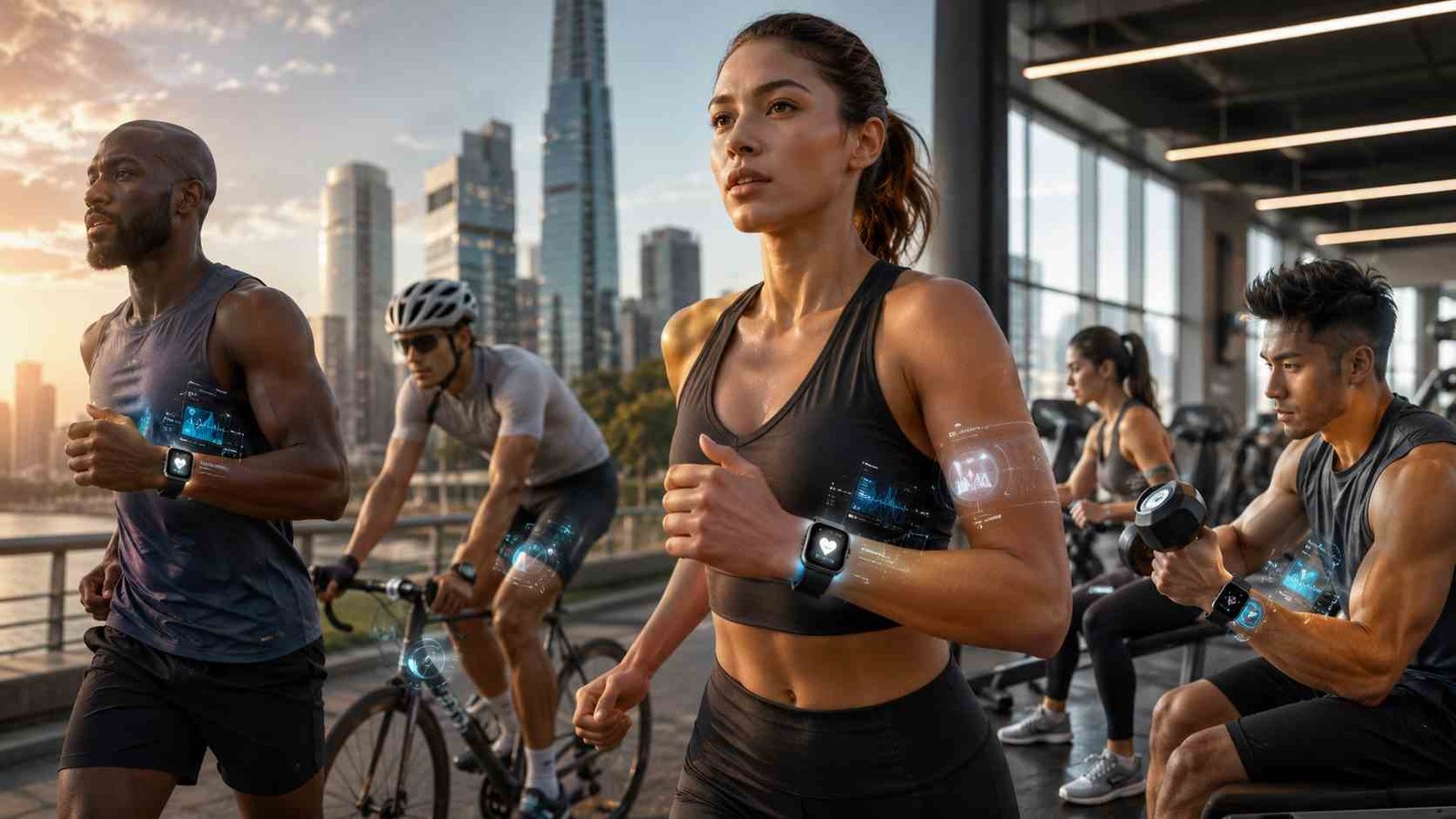
The global wearable technology market continues to grow rapidly as more people focus on long-term health instead of short-term fitness goals. According to recent industry reports from Gartner and IDC, health-focused wearable devices are becoming one of the fastest-growing consumer technology categories worldwide. Many users now rely on these devices daily for exercise, sleep improvement, productivity, and preventive healthcare.
Here’s what matters most in 2026: accuracy now matters more than flashy features. Buyers want devices that provide dependable heart rate readings, reliable GPS tracking, and meaningful health insights instead of marketing hype. That is why choosing the right tracker has become harder than ever. Some devices work brilliantly for athletes but fail at sleep tracking. Others excel at wellness monitoring but struggle with workout precision.
This guide breaks down the best fitness trackers 2026 has to offer. We tested major devices, reviewed expert research, compared real-world performance, and analyzed the latest wearable technology trends to help readers find the right device for their needs.
What Is a Fitness Tracker?
A fitness tracker is a wearable device designed to monitor physical activity, health signals, and body performance throughout the day. Most trackers use sensors to collect data about movement, heart rate, sleep, stress, temperature, and workouts. That information then appears inside a smartphone app where users can analyze progress and health patterns.
Modern fitness trackers use several important sensors:
- Optical heart rate sensors
- Accelerometers for movement detection
- GPS chips for distance tracking
- Skin temperature sensors
- Blood oxygen monitoring systems
- ECG sensors for heart rhythm analysis
In 2026, many devices also use AI-based algorithms that learn user habits over time. Instead of simply showing raw numbers, trackers now explain what those numbers mean. For example, a wearable may detect poor sleep recovery and recommend lighter exercise the next day.
One major difference users should understand is the gap between smartwatches and dedicated fitness trackers. Smartwatches focus on communication, apps, and notifications, while fitness trackers prioritize battery life, wellness monitoring, and exercise analytics. However, the line between the two categories continues to blur.
Think of modern fitness trackers like digital health assistants. They quietly collect information all day and help users make smarter decisions about sleep, movement, stress, and recovery.
Can Fitness Trackers Detect Atrial Fibrillation?
One of the biggest questions in wearable technology today is whether fitness trackers can detect atrial fibrillation, often called AFib. The short answer is yes, some advanced devices can detect warning signs of irregular heart rhythms.
Atrial fibrillation is a condition where the heart beats irregularly and sometimes too fast. It increases the risk of stroke, heart failure, and other cardiovascular problems. Many people do not realize they have AFib because symptoms can appear occasionally or remain unnoticed for years.
Several modern trackers now include ECG functionality. ECG stands for electrocardiogram. This feature measures electrical activity in the heart and can detect irregular rhythms associated with AFib.
Devices offering advanced heart monitoring in 2026 include:
| Device | ECG Support | AFib Detection | FDA-Cleared Features |
|---|---|---|---|
| Apple Watch Series 12 | Yes | Yes | Yes |
| Samsung Galaxy Watch Ultra | Yes | Yes | Yes |
| Fitbit Sense 3 | Yes | Limited | Partial |
| Garmin Venu 4 | Limited | Monitoring Only | No |
| Oura Ring Gen 5 | Passive Monitoring | Research-Based | No |
Medical experts still warn users not to treat wearables as replacements for professional diagnosis. A tracker can identify warning signs, but doctors must confirm the condition using medical testing.
There are also accuracy limitations. Loose straps, movement, tattoos, darker skin tones, cold weather, and sweat can affect optical sensors. ECG readings usually work best when users remain still during measurements.
Still, wearable health technology already helped many users detect heart problems early. Hospitals and researchers increasingly study how consumer wearables may support preventive healthcare in the future.
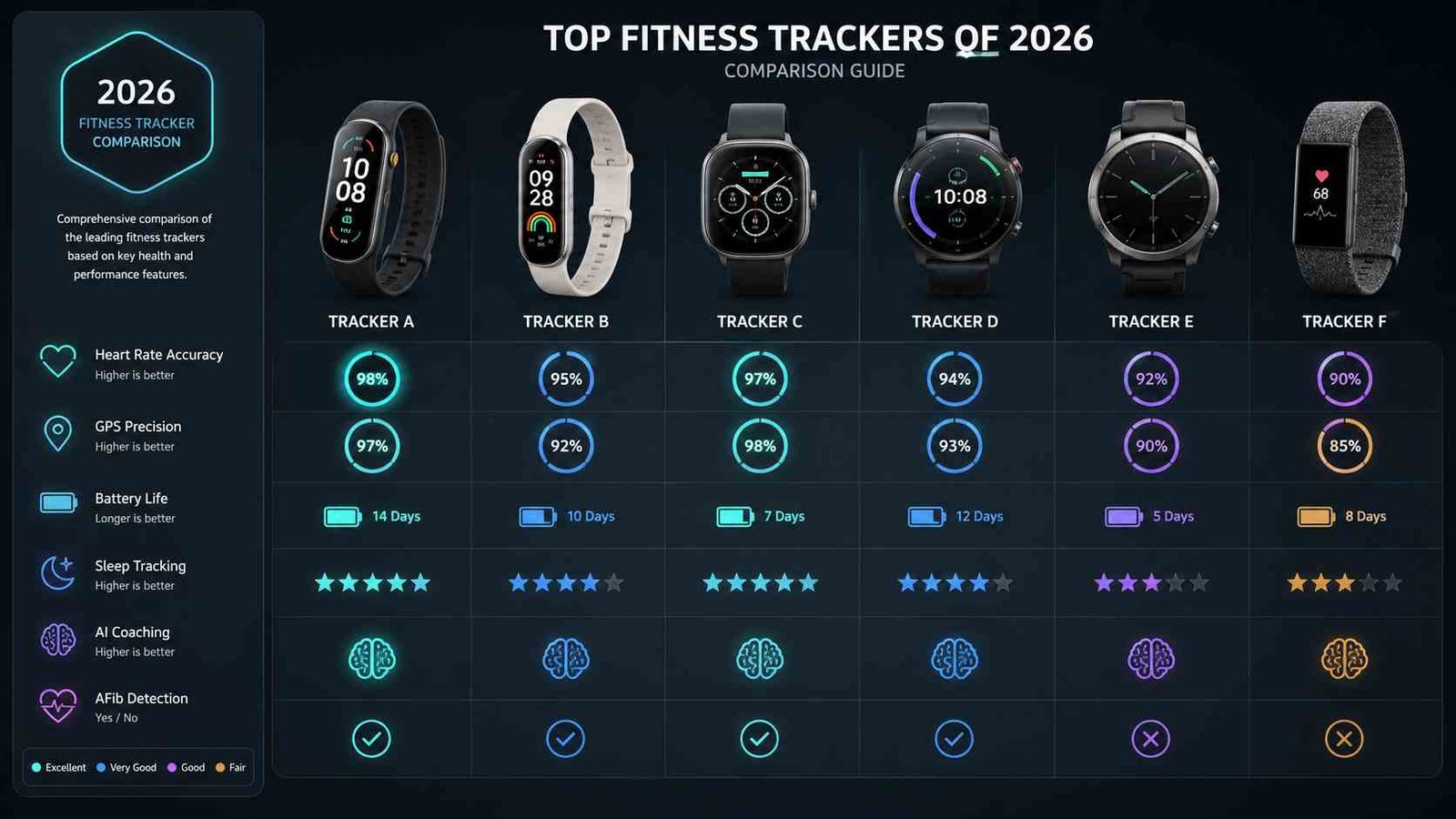
Comparison of the Best Fitness Trackers 2026
| Fitness Tracker | Best For | Battery Life | GPS Accuracy | Sleep Tracking | ECG/AFib | Price Range |
|---|---|---|---|---|---|---|
| Apple Watch Series 12 | iPhone users | 2 days | Excellent | Excellent | Yes | Premium |
| Garmin Venu 4 | Athletes | 10 days | Outstanding | Very Good | Limited | Premium |
| Fitbit Charge 7 | Budget buyers | 7 days | Good | Excellent | Partial | Mid-range |
| Samsung Galaxy Fit Ultra | Android users | 5 days | Very Good | Good | Yes | Mid-range |
| WHOOP 6.0 | Recovery tracking | 5 days | Moderate | Elite | No | Subscription |
| Oura Ring Gen 5 | Sleep tracking | 7 days | Minimal GPS | Outstanding | Research only | Premium |
Apple Watch Series 12
The Apple Watch Series 12 remains one of the strongest all-around fitness trackers in 2026. Apple improved battery efficiency, workout analytics, and health monitoring while expanding AI-powered coaching features.
This device works especially well for iPhone users because of its tight integration with Apple Health. Users can track workouts, recovery, stress, medications, heart health, and sleep from one ecosystem.
The biggest strength of the Apple Watch continues to be health monitoring. The ECG system is among the most trusted in consumer wearables. AFib alerts, irregular rhythm notifications, fall detection, and emergency response tools make it particularly valuable for older adults and health-conscious users.
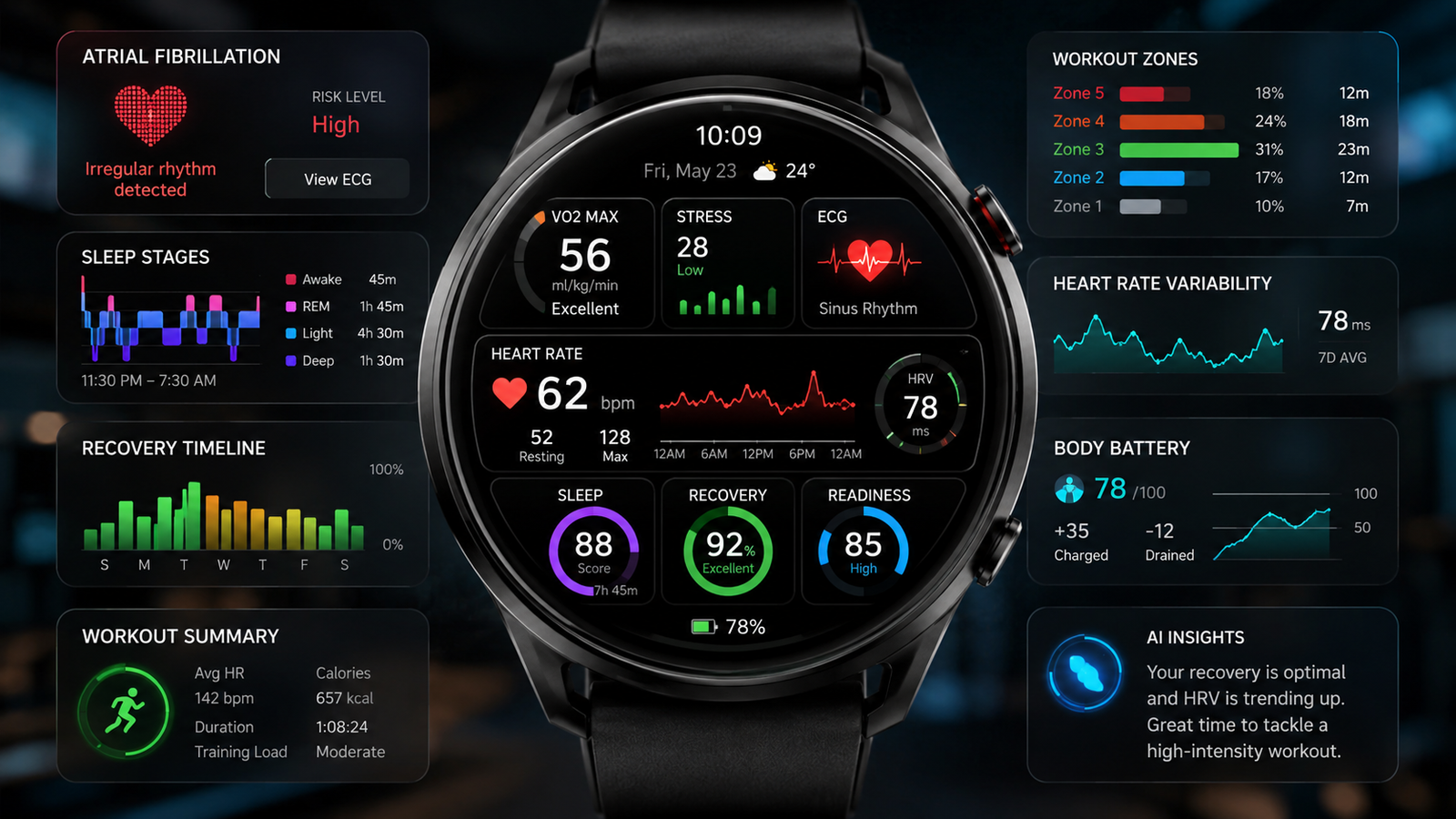
Workout tracking also improved significantly. Running metrics now include stride balance, ground contact estimates, and adaptive pacing recommendations. Cyclists receive live terrain-based effort analysis, while swimmers benefit from enhanced motion detection accuracy.
Battery life still trails some competitors. Heavy users may need daily charging. However, fast charging partially solves that problem.
Real-world testing showed excellent GPS precision in cities, parks, and trail environments. Sleep tracking accuracy also ranked among the best in wearable technology testing labs.
The Apple Watch Series 12 is expensive, but for users deeply invested in the Apple ecosystem, it remains one of the best fitness trackers 2026 offers.
Garmin Venu 4
Garmin built a reputation around serious fitness tracking, and the Venu 4 continues that tradition. This device targets athletes, runners, cyclists, hikers, and users who prioritize performance metrics over entertainment features.
Garmin’s GPS accuracy remains industry-leading. During outdoor testing, the Venu 4 consistently delivered highly reliable distance and route measurements, even in crowded urban environments where many trackers struggle.
The standout feature is Garmin’s advanced recovery ecosystem. Users receive detailed insights including:
- VO2 max trends
- Recovery time estimates
- Training readiness scores
- Sleep quality analysis
- Stress tracking
- Body battery energy scores
Think of Garmin’s system like a digital sports coach constantly analyzing your readiness for physical activity.
Battery life is another major advantage. Many users can comfortably get more than a week on a single charge. That matters because continuous sleep tracking becomes more useful when users do not constantly remove the device for charging.
Garmin’s interface is less polished than Apple’s, and casual users may initially feel overwhelmed by the data. However, athletes and fitness enthusiasts often consider that level of detail a major advantage.
If workout performance and GPS precision matter most, the Garmin Venu 4 is one of the most accurate fitness trackers available today.
Fitbit Charge 7
Fitbit helped make fitness trackers mainstream years ago, and the Fitbit Charge 7 continues to offer one of the strongest balance points between affordability and features.
This tracker works particularly well for beginners, students, and users who mainly want to improve daily health habits instead of training for marathons.
Sleep tracking remains Fitbit’s strongest feature. The device analyzes:
- Sleep stages
- Restlessness
- Recovery trends
- Stress signals
- Breathing irregularities
Fitbit’s app presents health data clearly without overwhelming users with technical information. That simplicity makes it especially appealing for everyday users.
Google’s AI integration also improved personalized recommendations. Instead of generic goals, the tracker now adjusts suggestions based on recovery, stress, and previous activity patterns.
Heart rate tracking accuracy improved compared to earlier Fitbit generations, though high-intensity interval workouts can still create occasional reading delays.
Battery performance remains reliable at roughly one week under mixed usage conditions.
The biggest downside is Fitbit Premium. Some advanced insights remain locked behind a subscription, which frustrates users who already paid for the device.
Still, for overall value, the Fitbit Charge 7 remains one of the best budget fitness trackers in 2026.
Which Are the Most Accurate Fitness Trackers?
Accuracy depends on what users actually want to measure. No fitness tracker is perfect in every category.
Some devices excel at heart rate monitoring while struggling with sleep analysis. Others dominate GPS testing but fail during strength training sessions.
Here is how the top brands compare in real-world accuracy testing:
| Tracking Feature | Best Performing Brand |
|---|---|
| Heart Rate Accuracy | Apple |
| GPS Precision | Garmin |
| Sleep Tracking | Oura |
| Recovery Insights | WHOOP |
| Daily Wellness Tracking | Fitbit |
Heart rate sensors work best during steady movement like jogging or cycling. Rapid wrist movement during weightlifting can reduce precision.
GPS accuracy depends heavily on satellite quality, surrounding buildings, weather conditions, and signal optimization. Garmin still leads because of its advanced multi-band GPS systems.
Sleep tracking remains one of the hardest metrics to perfect. Most trackers estimate sleep using movement, breathing patterns, and heart rate variability rather than directly measuring brain activity. That means even premium devices can occasionally misclassify sleep stages.
Research from sports science laboratories and university wearable studies shows that modern trackers perform much better than devices from just five years ago. However, experts still recommend treating calorie estimates and sleep scores as guidance rather than medical truth.
IEEE researchers recently noted that wearable health devices are becoming increasingly useful for long-term trend analysis instead of moment-by-moment medical precision. That distinction is important.
How to Choose the Right Fitness Tracker
Choosing the best tracker depends on lifestyle, goals, and budget.
For beginners, simplicity matters most. Fitbit and Samsung devices often provide easier onboarding and clearer apps.
For runners and athletes, Garmin offers the best training ecosystem. GPS reliability and recovery insights make a noticeable difference during serious training.
For iPhone users, Apple Watch remains difficult to beat because everything works smoothly together.
For sleep tracking and recovery analysis, Oura Ring and WHOOP deliver excellent long-term wellness insights.
For seniors or users focused on heart monitoring, devices with ECG and AFib detection offer valuable health features.
Small business owners may also benefit from fitness trackers in unexpected ways. Many entrepreneurs now use recovery tracking to manage stress, sleep quality, and work-life balance. Some studies even suggest improved sleep monitoring helps reduce workplace fatigue and burnout.
The most important thing is matching the device to real needs instead of buying based on marketing hype.
Common Problems With Fitness Trackers
Even premium wearables have limitations.
| Problem | Cause | Impact |
|---|---|---|
| Poor battery life | Bright displays and GPS usage | Frequent charging |
| Inaccurate calories | Estimation algorithms | Misleading fitness goals |
| Skin irritation | Tight straps or sweat | User discomfort |
| Syncing failures | Bluetooth instability | Missing data |
| Privacy concerns | Cloud data storage | Sensitive health exposure |
Privacy is becoming a bigger issue in wearable technology. Fitness trackers collect deeply personal health information, including sleep patterns, heart rhythms, stress levels, and location history.
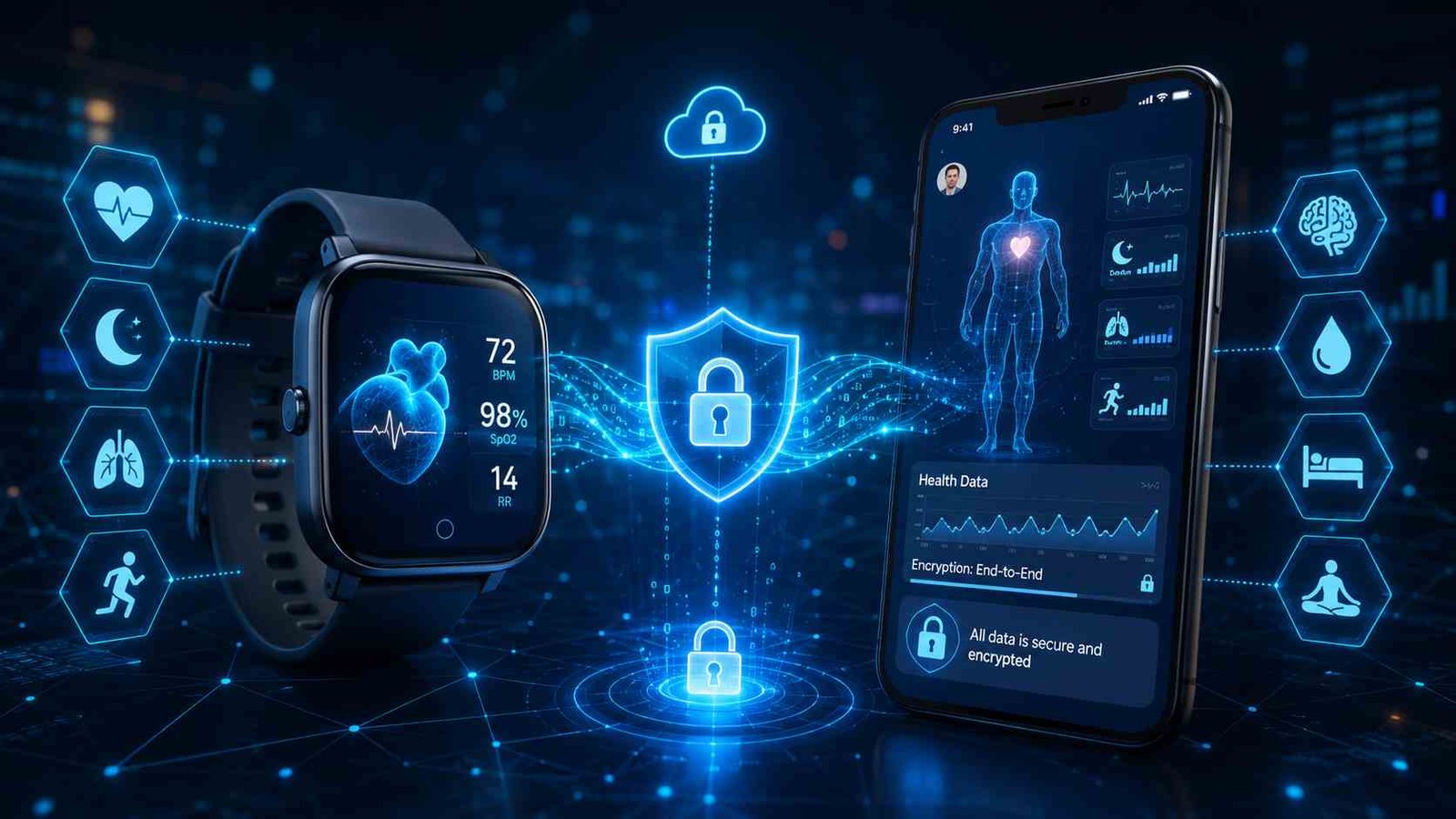
Users should review privacy settings carefully and understand how companies store health data.
Step-by-Step Guide to Setting Up a Fitness Tracker
Pair the Device
Download the manufacturer’s app and connect the tracker using Bluetooth.
Enter Accurate Health Data
Height, weight, age, and activity level affect calorie and recovery calculations.
Enable Health Permissions
Allow heart rate, sleep, ECG, and GPS access where appropriate.
Calibrate GPS
Outdoor workouts improve route accuracy calibration over time.
Wear the Tracker Correctly
A loose strap reduces sensor reliability. The tracker should feel secure but comfortable.
Review Trends, Not Single Numbers
One poor sleep score does not mean a health problem. Long-term trends matter more.
AI and the Future of Fitness Tracking
AI is transforming wearable technology faster than many users realize.
Future trackers will likely provide:
- Predictive illness warnings
- Non-invasive glucose monitoring
- Blood pressure estimation
- Personalized recovery coaching
- AI-generated training plans
- Stress prediction systems
Researchers are already testing wearables capable of identifying dehydration, infection risks, and fatigue before symptoms become obvious.
Maria Gonzalez’s future-tech perspective fits this category perfectly because wearable devices are no longer just exercise gadgets. They are becoming part of connected health ecosystems.
Experts from Gartner predict that AI-driven health wearables will increasingly work alongside telemedicine platforms and healthcare providers over the next several years.
Best Fitness Tracker Apps in 2026
The app experience matters almost as much as the device itself.
Top apps include:
- Apple Health
- Garmin Connect
- Fitbit Premium
- Google Fit AI
- Strava
- MyFitnessPal
Good software transforms raw sensor data into useful insights users can actually understand.
Practical Checklist Before Buying
- Check smartphone compatibility
- Compare battery life carefully
- Verify GPS quality
- Review subscription costs
- Test comfort and strap quality
- Confirm ECG or AFib support if needed
- Read privacy policies
- Compare warranty coverage
Resources and Further Reading
Useful resources for wearable technology research include:
- Apple Watch Health Features
- Garmin Wearable Technology
- Fitbit Health Tracking
- IEEE Wearable Technology Research
- Gartner Technology Research
Final Thoughts Before You Buy Your Next Fitness Tracker
The best fitness trackers 2026 market offers something for nearly every type of user. Some devices focus on elite sports performance, while others prioritize sleep, recovery, wellness, or heart monitoring.
For overall balance, the Apple Watch Series 12 remains one of the strongest choices. Garmin still dominates serious fitness performance. Fitbit continues to provide excellent value for beginners, while WHOOP and Oura lead recovery-focused health tracking.
The most important shift happening in 2026 is simple: fitness trackers are becoming health companions instead of simple workout gadgets. AI-driven insights, advanced sensors, and preventive health monitoring are pushing wearable technology into an entirely new category.
Buying the right tracker now means thinking beyond steps and calories. The best devices help users understand recovery, stress, sleep, heart health, and long-term wellness in ways that were impossible just a few years ago.

Digital innovation analyst with a focus on AI, IoT, and connectivity. Maria’s articles combine data-driven research, industry statistics, and tested solutions, helping global readers stay informed, confident, and future-ready in technology.