
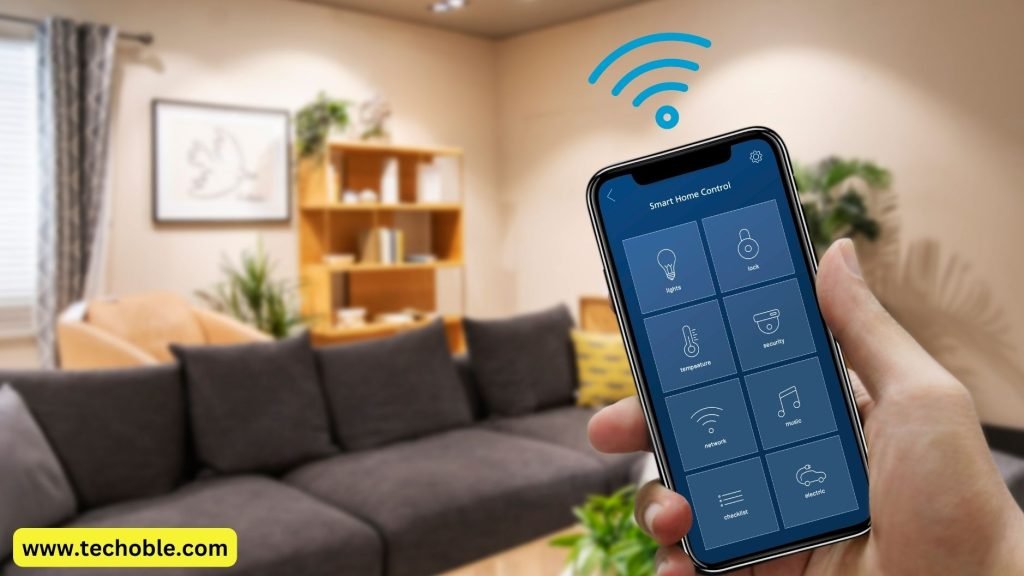
1. What is an Eco-Friendly Smart Home?
An eco-friendly smart home uses technology to reduce energy, water, and resource consumption. It includes devices like smart thermostats, energy-efficient lights, and automated power management systems. These smart products not only make life easier but also help protect the planet.
- Eco Friendly Smart Home Products: Smart plugs, energy-monitoring apps, smart lighting, thermostats, and water leak detectors.
- Why it Matters: Smart technology optimizes energy use, prevents waste, and lowers utility bills.
2. 30 Ways to Make Your Home Eco-Friendly with Smart Devices
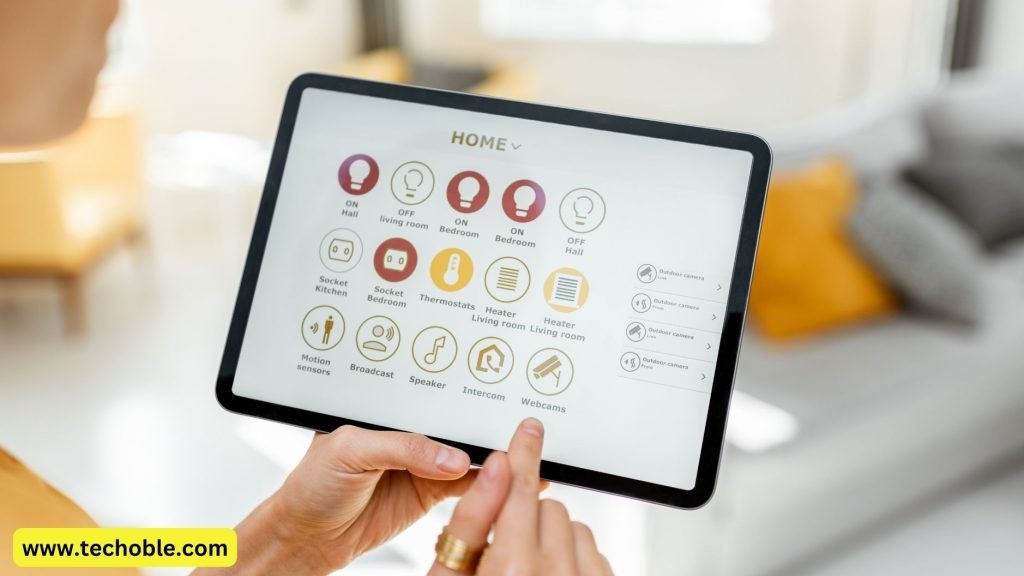
A. Energy Management
- Smart Thermostats – Automatically adjust your home’s temperature to reduce energy waste.
- Smart Plugs and Outlets – Cut off power to devices when they’re not in use.
- Solar-Powered Lights – Install solar lights outdoors for eco-friendly energy use.
- Smart Curtains or Blinds – Open and close based on sunlight to reduce heating and cooling costs.
- Energy Monitors – Track electricity usage to spot areas for improvement.
B. Water Conservation
- Smart Sprinklers – Water your lawn efficiently using weather-based adjustments.
- Leak Detectors – Detect leaks early to avoid water waste.
- Low-Flow Smart Faucets – Control water flow and save water.
C. Waste Reduction
- Smart Trash Systems – Track waste levels to reduce overflow and optimize collection.
- Composting Bins – Automate composting to reduce food waste.
- Recycling Apps – Help sort waste correctly for recycling.
D. Lighting
- Smart LED Bulbs – Use LED bulbs with motion sensors to save energy.
- Dimmer Controls – Adjust lighting intensity based on need.
- Smart Light Schedules – Automate lights to switch off when rooms are empty.
E. Appliances
- Smart Refrigerators – Monitor food items to reduce spoilage.
- Energy-Efficient Washers – Save water and electricity with IoT-enabled washing machines.
- Smart Ovens – Use precise heat controls for energy-efficient cooking.
F. Air Quality
- Smart Air Purifiers – Improve air quality while reducing power consumption.
- Eco-Friendly HVAC Systems – Maintain a comfortable home efficiently.
G. Eco-Friendly Habits
- Use Smart Reminders – Automate reminders to switch off appliances.
- Use Renewable Energy – Integrate solar panels with smart grids.
- Automated Energy Reports – Track monthly savings to stay motivated.
3. How to Be More Environmentally Friendly at Home with Smart Products
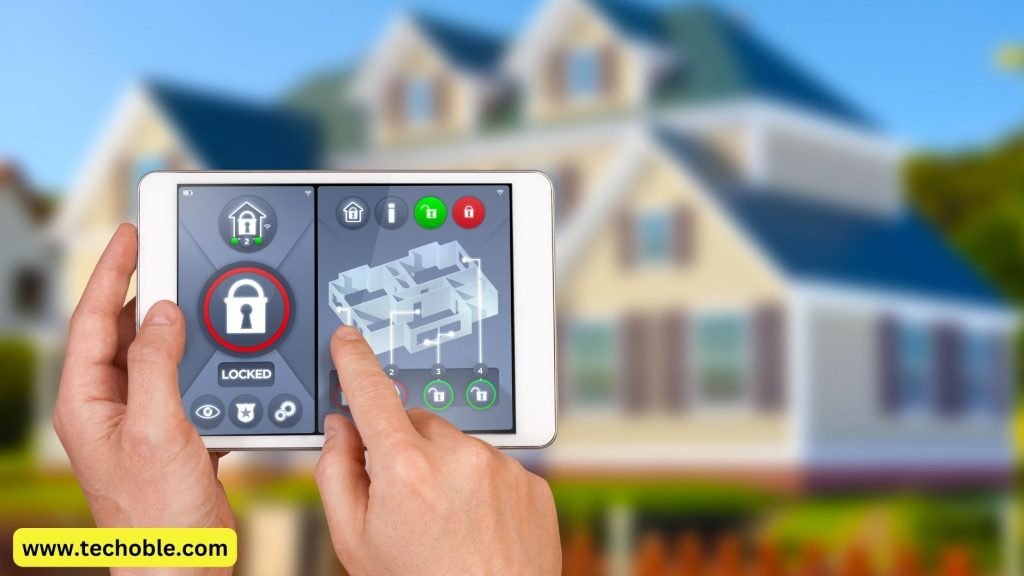
You don’t need major changes to start living more sustainably. Implementing a few smart devices can make a big difference.
- Switch to LED Smart Lights: LED bulbs consume 75% less energy than traditional bulbs.
- Install a Smart Thermostat: A smart thermostat can save up to 15% on heating and cooling costs.
- Automate Your Home with Smart Plugs: Devices like TVs, game consoles, and chargers can be turned off when not needed.
These changes are quick and effective ways to embrace an eco-friendly environment at home. Small adjustments, like dimming lights or turning off devices, reduce your carbon footprint while saving you money.
4. How to Be More Eco-Friendly as a Student
Students can also live sustainably by incorporating smart habits and devices into their daily routine.
- Use Smart Plugs to prevent devices from wasting energy when not in use.
- Adopt 10 Eco-Friendly Habits, such as turning off lights, using reusable water bottles, and carpooling.
- Track Electricity Usage: Many smart apps show electricity consumption in real time, helping students adopt better habits.
Living in dorms doesn’t mean you can’t lead an eco-friendly lifestyle. Simple changes like unplugging chargers or setting up energy-saving routines go a long way in protecting the environment.
5. Smart Products That Create an Eco-Friendly Environment
Using eco-friendly products with smart features ensures long-term sustainability. Here are some of the best choices for 2026:
| Smart Product | Eco-Friendly Benefit | Example Devices |
|---|---|---|
| Smart Thermostat | Reduces energy use by 10-15% | Nest, Ecobee, Honeywell |
| LED Smart Bulbs | Save 75% energy compared to incandescent | Philips Hue, Wyze Bulbs |
| Smart Water Leak Detectors | Avoid water waste by detecting leaks | Moen Flo, Phyn Smart Water Sensor |
| Smart Appliances | Use less power and water efficiently | LG, Samsung, Bosch Smart Fridges |
| Solar Energy Monitoring Apps | Optimize solar energy consumption | Tesla, SolarEdge |
These devices are designed not only for convenience but also to reduce environmental impact.
6. 10 Eco-Friendly Habits to Adopt in 2026
- Unplug Devices When Not in Use – Save energy effortlessly.
- Use Smart Power Strips – Prevent standby power drain.
- Automate Light Schedules – Avoid unnecessary energy use.
- Opt for Solar Energy – Install solar panels and track usage with apps.
- Recycle Properly – Use apps to guide your recycling efforts.
- Switch to Smart Appliances – Reduce water and energy consumption.
- Monitor Energy Usage – Stay on top of energy bills with tracking apps.
- Compost Waste – Reduce food waste with composting devices.
- Choose Eco-Friendly Products – Replace old appliances with smart alternatives.
- Promote Awareness – Share eco-friendly tips with friends and family.
7. Challenges of Creating an Eco-Friendly Smart Home
While setting up an eco-friendly smart home offers many benefits, there are a few challenges.
- High Initial Costs: Some smart products, such as thermostats or solar panels, can be expensive.
- Learning Curve: Adopting smart technology requires time and effort.
- Compatibility Issues: Not all devices work seamlessly with every smart platform.
- Data Privacy: Some smart devices collect user data, raising privacy concerns.
Despite these challenges, the long-term savings and environmental benefits make the investment worthwhile.
Building an eco-friendly home with smart devices in 2026 is easier than ever. With the right products, habits, and technology, you can reduce energy and water consumption, lower waste, and create a sustainable lifestyle. Start small by using smart bulbs or thermostats and gradually add other devices as you go.
By adopting eco-friendly habits and using innovative products, you contribute to a greener future. Whether you’re a student in a dorm or a homeowner, living sustainably is within reach. Explore eco-friendly smart home products and take steps to make your home a better place for the planet.
- What are some easy eco-friendly habits to start with?
- Use smart plugs, switch to LED bulbs, and unplug devices when not in use.
- What are eco-friendly smart home products?
- These include thermostats, water leak detectors, and energy-efficient appliances.
- How do smart devices help the environment?
- They reduce waste, save energy, and lower carbon emissions.
- Can students live sustainably with smart technology?
- Yes, students can adopt small habits like turning off lights and using smart plugs.
- How do I make my home eco-friendly?
- Start with 10 eco-friendly habits, integrate smart devices, and monitor energy use.

Digital innovation analyst with a focus on AI, IoT, and connectivity. Maria’s articles combine data-driven research, industry statistics, and tested solutions, helping global readers stay informed, confident, and future-ready in technology.